
SIMULATIONS
Learning Business by Doing Business
Learn More
ABOUT SIMULATIONS
The increasingly difficult and complex economic climate in South Africa makes it critical to provide students with more than just a theoretical knowledge of business.
They
must also have knowledge, tools and processes that will enable them to use and
sell their technical skills profitably.
All our simulations are based on the principles of experiential learning.
Participants undertake a journey of discovery while actively engaging with business challenges that realistically represent the challenges faced in business.
Each programme progresses through several stages of increasing complexity. This enables participants to learn complex business principles in manageable, easy to understand parts.
Our
programmes are highly interactive requiring teams to work collaboratively
to set goals, implement strategies, and measure and reflect on their results.
Having experienced how they made decisions, and seen and reflected on the
consequences of their decisions, participants are left with a clear
understanding of how business works and the factors that contribute to its
success.
TEAM BUSINESS
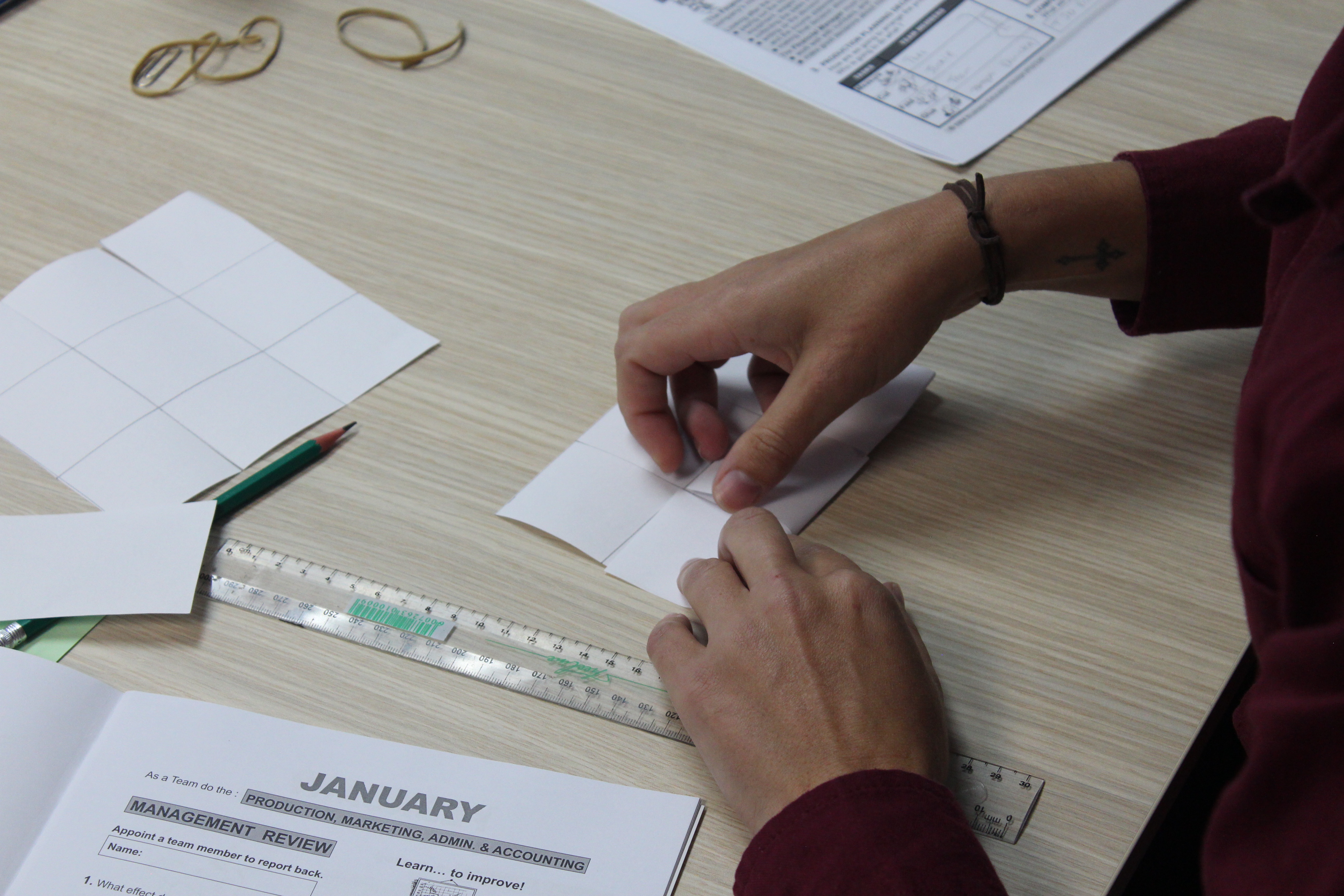
Team
Business provides a foundation of understanding by experiencing business and
management processes while starting and running a simulated business.
Competing
teams face increasingly complex opportunities and challenges. Participants gain valuable skills by making and
implementing decisions and then measuring and reflecting on the outcomes.
1. Develop
critical business and management insights and skills
2. Develop
value-adding relationships with team members. This provides the foundation for
the capacity to work with others in achieving a common goal
3. Develop
confidence to make and implement complex decisions
4. Focus
on meeting customers’ needs and preferences enables them to understand and
develop a competitive advantage
5. Develop
the ability to measure and analyse financial outcomes
6. Learn
the language of business by using it. This enables participants to communicate
more effectively with others but also to think things through in terms of
business processes
7. Learn
how to learn from reflecting on experiences
· Target: Undergraduate Business Students
· Ideal Group Size: 16-30 participants
·
Day
1- Simulation
·
Day
2- Application
·
Optional
Assignment - Integrate simulations with coursework and provide opportunities
for practical application.
Sessions
run from 8am to 16:30pm to cover the theoretical and practical application of
the skills mentioned above.
CLASSIC 10
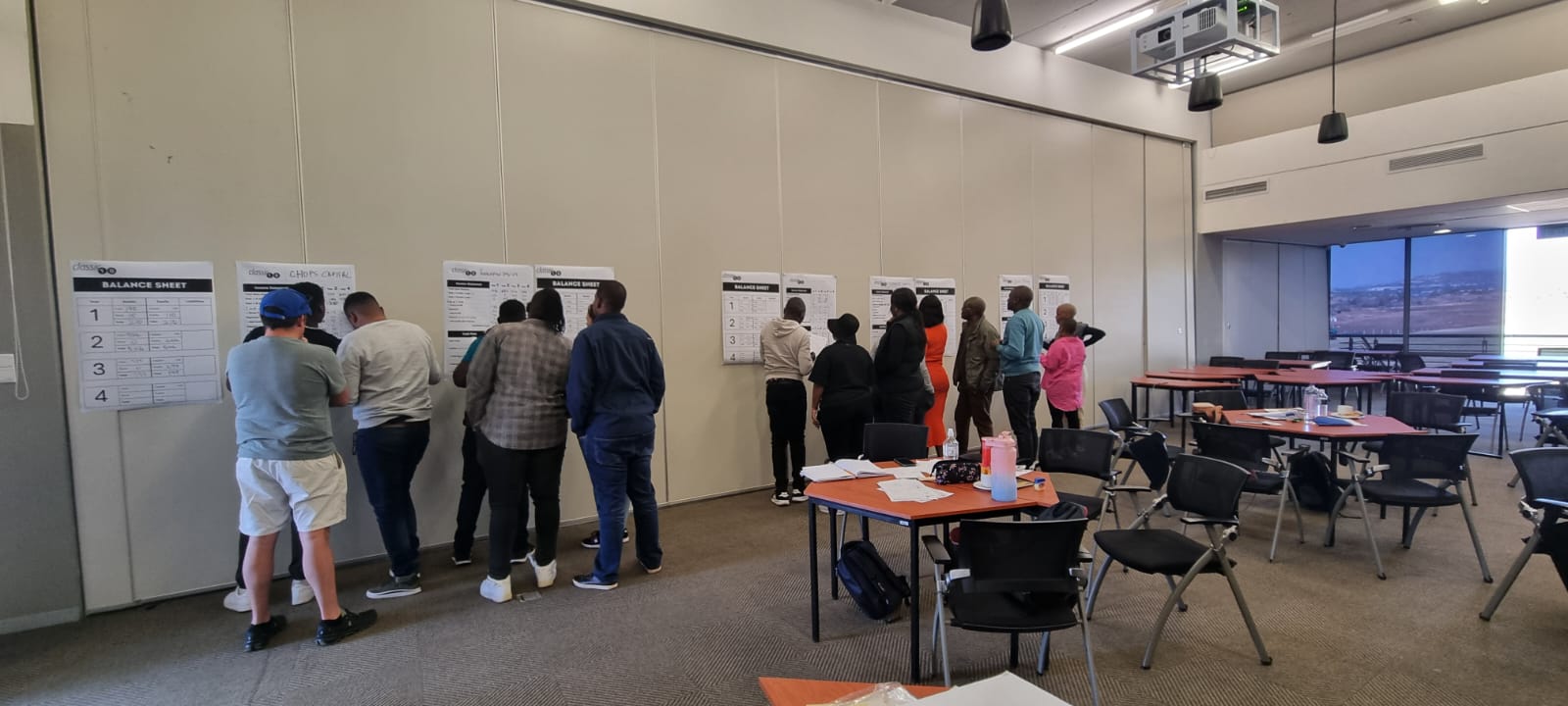
Classic 10 is a Business Simulation in which competing teams face increasingly complex strategic business opportunities and challenges. The programme provides insights into 10 powerful business tools used by strategic decision-makers, and gives participants practice in applying them through a dynamic and highly interactive experience.
During the simulation teams:
- Establish their objectives
· Gather information
required to achieve their objective
· Devise and implement their
strategy
· Measure and reflect on
outcomes.
· Repeat the process with
increasingly complex challenges and opportunities and confidence grows.
Students
will gain:
·
An
applied understanding of these classic business tools
·
The
ability to ask the right business questions to gather critical decision-making
information
·
The
analytical skills to interpret and integrate business tools and business
information, and the ability to systematically apply them to execute strategy.
On
the second day of the programme participants apply the tools learnt on the
first day to real challenges and opportunities faced in their organisations.
In
addition, more tools are provided that have specific application to the
industry and business of the stakeholders.
Participants
generally enter the process with an operational and problem orientation and
leave with a strategic and opportunity one.
·
Target: 3rd Year, Postgraduate, MBA
Business Students
·
Ideal
group size: 16 – 30 participants
·
Format
o Day 1- Simulation
o Day 2- Application
· Optional Assignment - Integrate what has been learnt during the simulation with coursework and provide opportunities for practical application.
CONTINUOUS IMPROVEMENT SYSTEMS
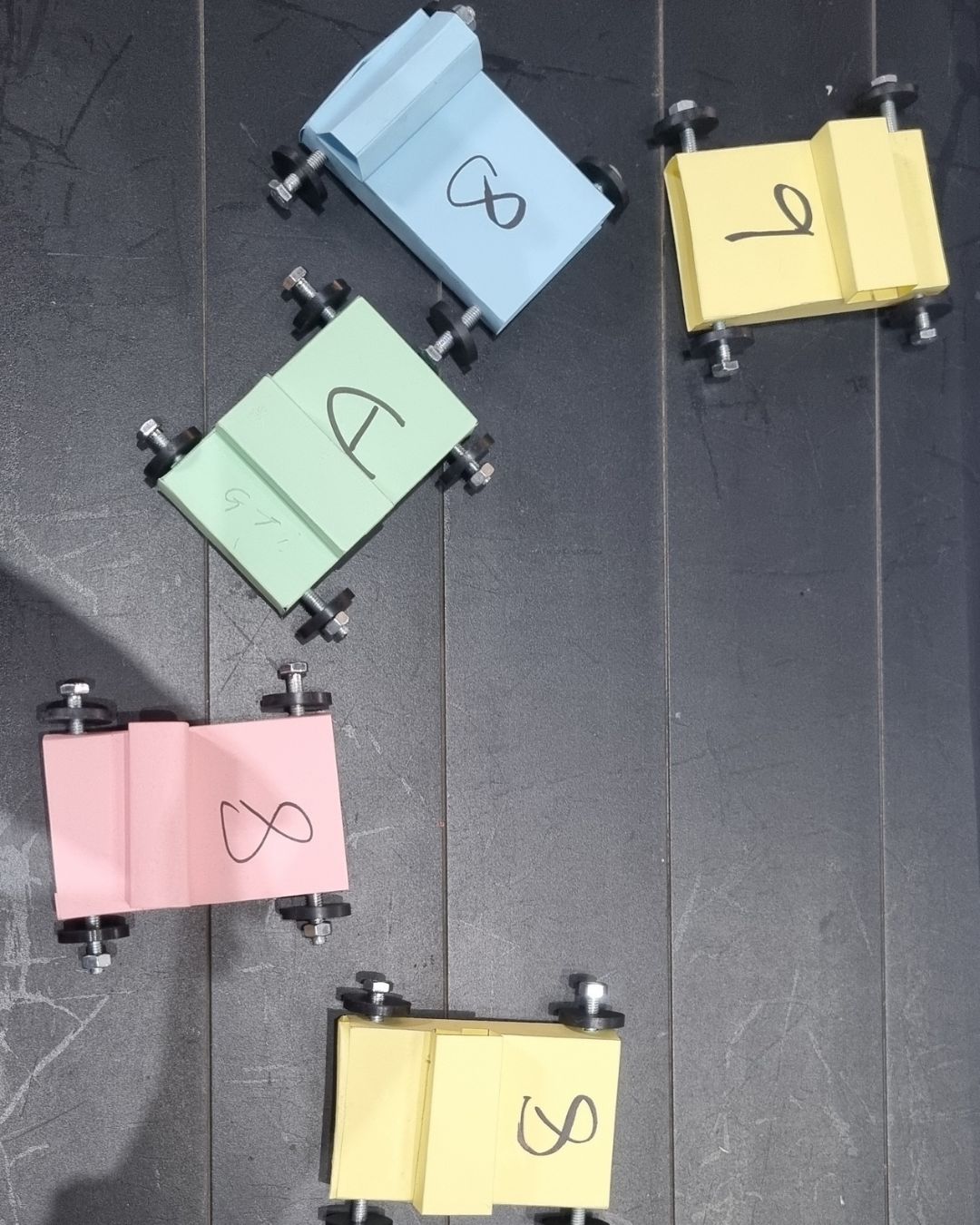
CIS is a simulation-based programme in which participants compete as management teams to discover core principles of business improvement.
Using systematic analysis and enhancement of process design and resource allocation and management, participants find ways to increase business performance and profitability in a simulated production environment.
The core logic of the programme is that Continuous
Improvement is maximised where:
1.
The focus of improvement reflects the most valuable
opportunity for profitability maximisation (Volumes, Quality or Cost). The
focus shifts with changing business conditions.
2.
Inputs are acquired and used in an optimal way to
achieve the focus.
3.
Planning is based on measurement and analysis of
results.
4.
The value chain is maximised.
The system has two phases –
the first being a production simulation which optimally illustrates
process and resource management principles.
The process is iterative and includes:
1.
Deciding on the focus (Quality, Volume or Costs)
2.
Input acquisition and allocation
3.
Production
4.
Sales
5.
Measurement of outcomes
6.
Reflection on reasons for outcomes
7.
Planning the next iteration on the basis of lessons
learned.
This process is repeated 3 times
The second phase is a structured application of
these manufacturing principles to the client environment.
· Target: Higher Education Professional Services Teams
· Ideal Group Size: 16- 30 participants
Format
o 4 hour workshop
o Min: 8 Max: 16
Optional Assignment: Integrate simulations with coursework and provide opportunities for practical application.
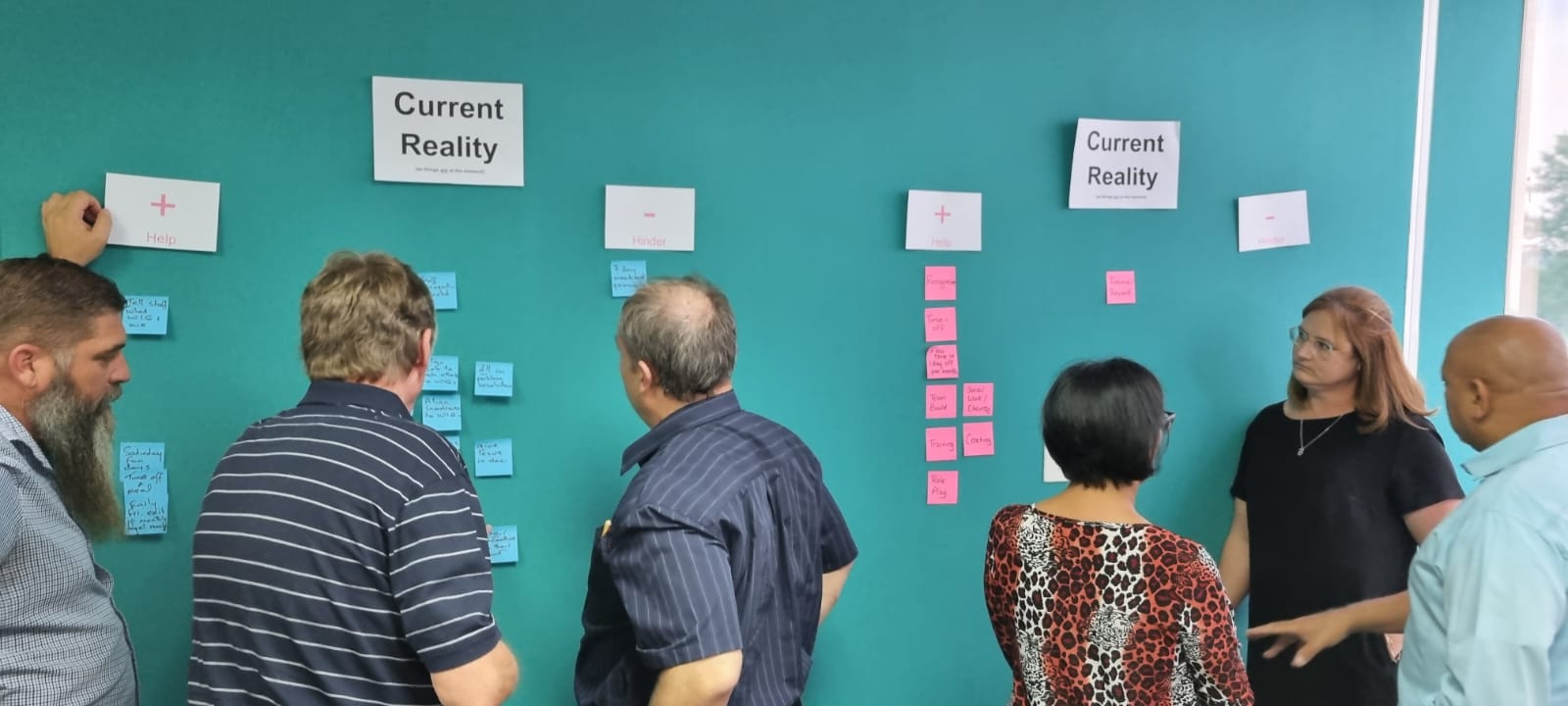
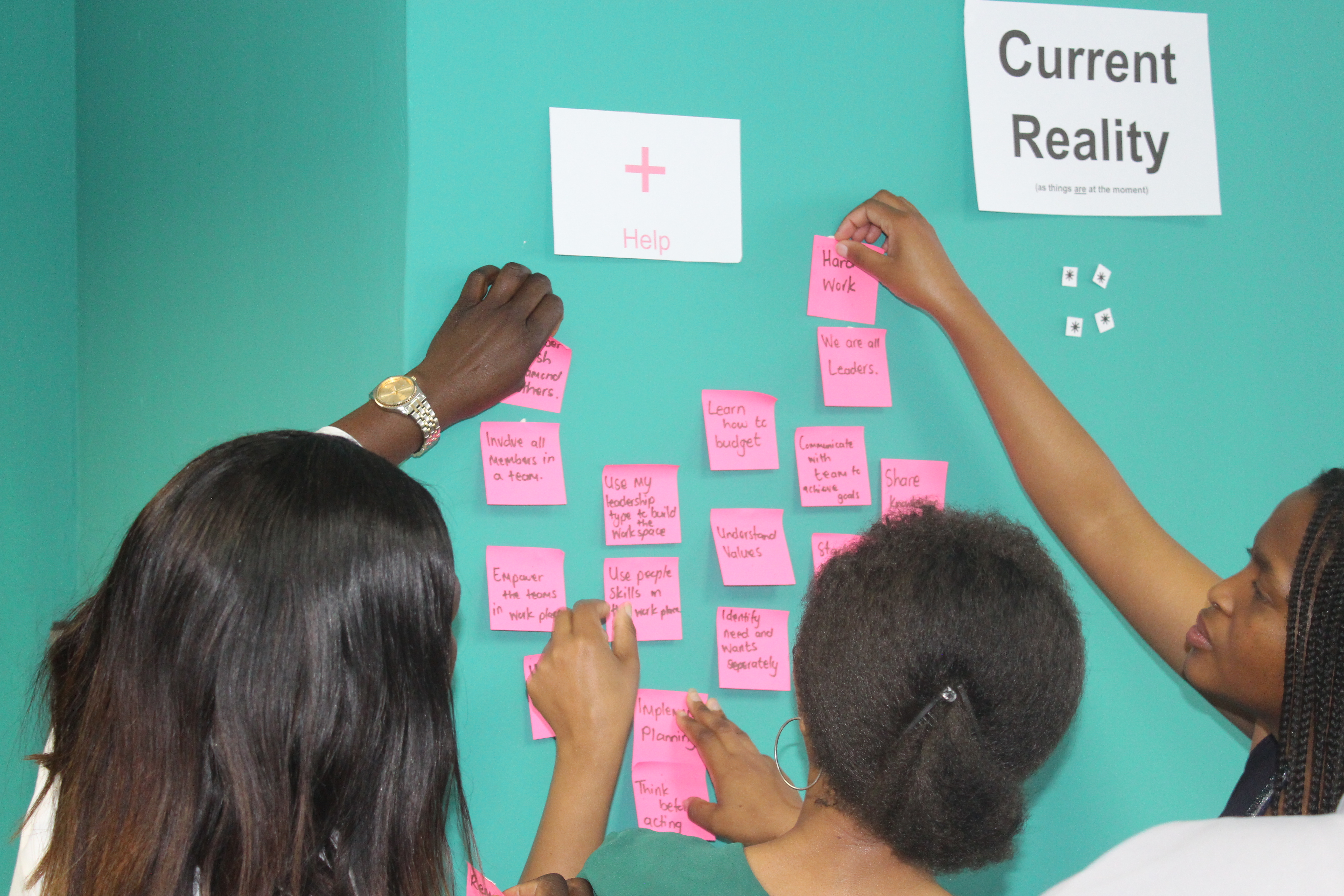
FORCE FIELD
Force Field is a structured and systematic 4-hour process that analyses a critical business or management issue and develops and assesses opportunities to address it.
The outcome is an agreed way forward with a high probability of implementation. The method is also a useful management tool to increase participation and commitment in decision making.
The issue that will be addressed is real and is defined before the event.
There
are sometimes challenges in the process of finding solutions which may include
some role-players:
1.
Have a negative view
of the world
2.
Are resistant to
change
3.
Are territorial and
protective of their turf
The Force Field process works because:
1.
It is highly
structured and systematic
2.
It is a purely
facilitated process – nothing is imposed
3.
It is based on
substantial theory – Knowledge Integration which is shared with the
participants at the end of the session.
4.
There is an increasing
desire to discover and assess a better way forward
5.
Deep down people want
to engage with others in a constructive and mutually beneficial way
As
such it
1.
Has an opportunity
rather than problem orientation
2.
Is energising
3.
Enhances relationships
between silos
The
outcome will be:
1. A defined and agreed way forward for the opportunity/problem and
2. A clear idea of the value that participants can add in achieving this
·
Target: Undergraduate Business Students
·
Min
and Max no:
·
Day
1- Simulation
·
Day
2- Application
·
Optional
Assignment - Integrate simulations with coursework and provide opportunities
for practical application.
Sessions
run from 8am to 16:30pm to cover the theoretical and practical application of
the skills mentioned above.